Last year I recorded a GuildSomm podcast with Chris Tanghe MS. The topic at hand was how to prepare and succeed at the Master of Wine tasting exam. Post recording, I keep thinking of things I could have added, so I thought it could be helpful to outline how I would tackle it, knowing what I know now.
First remember, no one has ever gotten 100% on this exam. You need 65 to pass, so you’re aiming for a 66+, which is totally doable as long as you are accurate in your tasting and honest in your communication thereof (she says after her fifth attempt).
Here’s how I would think about preparing for the tasting:

ONE – past exams
Take the time to go through all of the past exams, which are all available online here, to read and get familiar with the types the questions. Then, make a spreadsheet of every wine you see featured in the past exams, tagging them by type (white, red, rose, etc), variety, country, region, age, other (residual sugar, botrytis, lees, etc.). This will inform you where to spend your time studying.
These spreadsheets already exist. Most people have made or borrowed one from someone else, but I would highly encourage you to go through this process by yourself. You’ll be more aware of the types of questions and wines that show up, and it is also a very tactile and meaningful way to feel like you’re making early progress. It is truly a marathon and not a sprint, so don’t try to cut corners to save a few hours. Do the work yourself.
TWO – get a tasting group
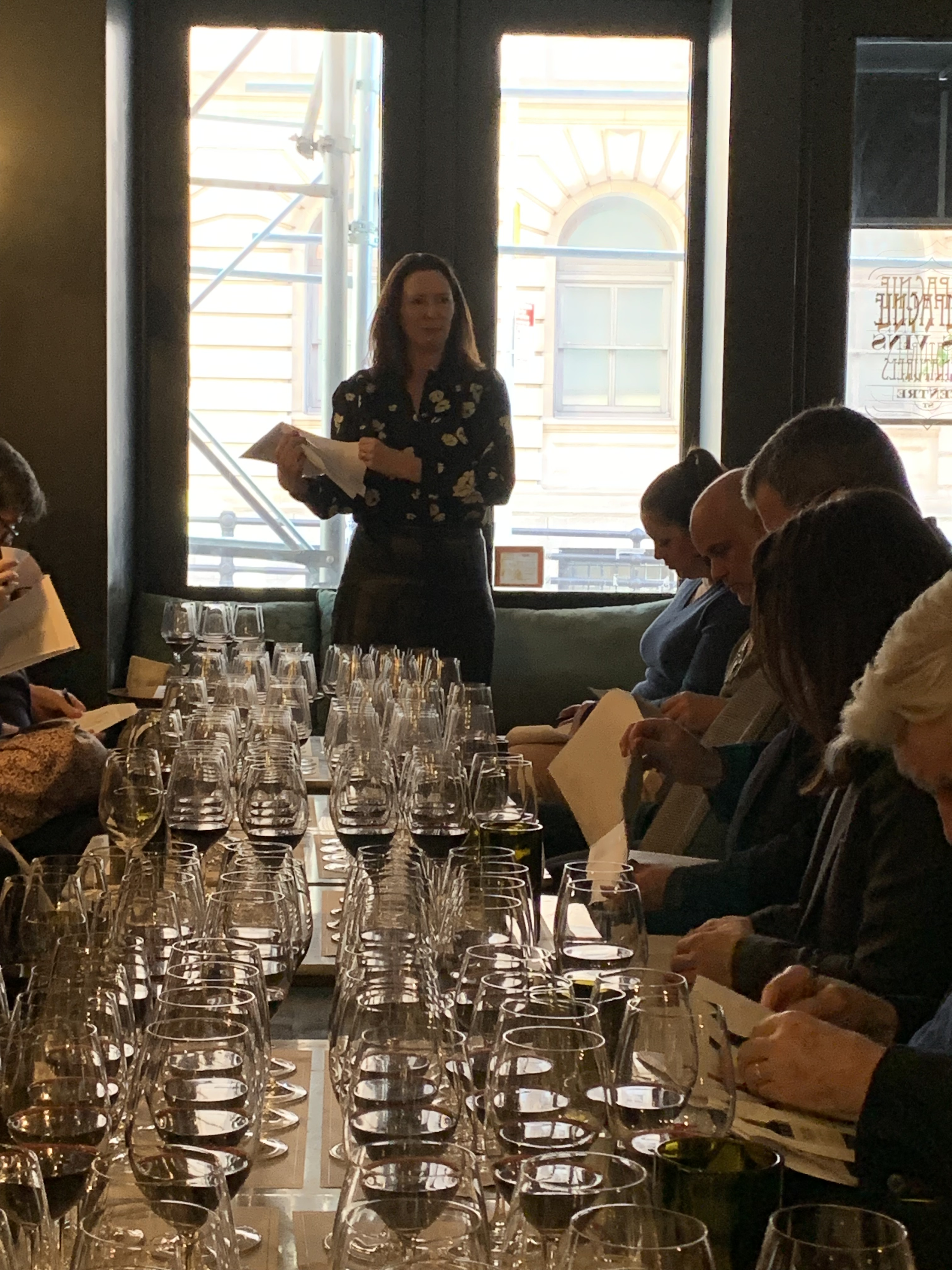
Then get another one. And probably also a third, fourth, and fifth. While this is a very personal journey (skip ahead to Be honest…), you will benefit from outside opinions, differing tasting notes and descriptors, and also the shared the cost of buying wine.
At first you’ll want to open taste to find your markers for differing wines and styles. Start with the classics. Go back to your WSET or Master Sommelier list of wines and focus your time and energy here. Sure, Lagrein may show up, but the points are negligible when compared with the frequency of classics like Bordeaux, Napa, Burgundy, Tuscany, etc.

Focus on wines from the past exams. The wines are very intentionally chosen to highlight a specific attribute or style. Don’t go chasing zebras when there is a full stable of horses at your disposal.
While working your way through these early tastings, come up with a consistent method of analyzing wine. Many people use an X or some version thereof, but make it personal and most helpful for youself. My rubric was on a scale of 1-5, lowest to highest, and for every wine I tasted I would note:
AABTFF
Color: pale, gold, ruby, bricking, etc
Aroma: 1-5 for how pronounced
plus key character: fruit, floral, winemaking (wood, lees, MLF, etc), fresh, dried, other, etc
sugar (if there was any)
A(cid): 1-5 and a qualifier: zesty, sour, soft…
A(lcohol): % and note if it felt warm or atypical
B(ody): 1-5 and a qualifier: round, linear, hollow, plump….
T(annin): 1-5 and a qualifier: velvety, grippy, loose, diffuse, powerful, chunky…this is important, spend lots of time thinking about your qualifiers here!
F(inesse/concentration): 1-5, is it elegant or more about power or thin and dilute?
F(inish): 1-5 with qualifier, pronounced, expansive, fruity, minerally, dry…
The two Fs together indicate my quality and would always mark a retail $ amount
That was more than enough for me as I also tended to taste while writing my answers, especially for quality because the wines often do open and change in the glass.
As you get closer to the exam, do at least 1 full paper per week blind. In my 6 years of active study for the tasting exam, I would estimate that I have participated in hundreds of mock exams. Between the seminars, course days, bootcamps, and more frequently, weekly mocks with my tasting groups, this is the only way you’ll feel confident about your timing. You only have 10 minutes per wine, so you need to get a feel for this.

THREE – dry notes
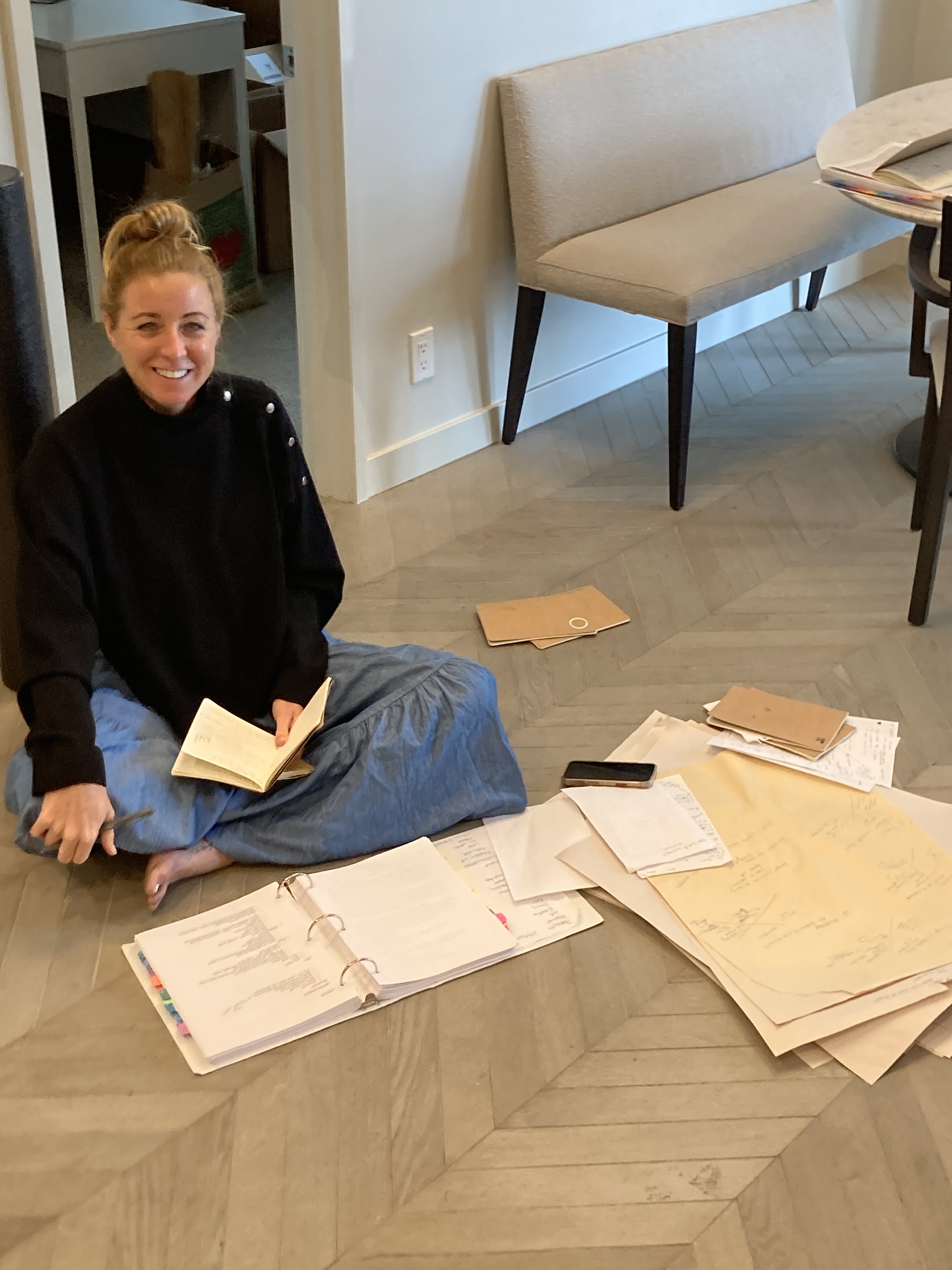
This is the worst and I used to dread it, but once I treated it more like a research opportunity, it became less monotonous. Kind of… Write your perfect notes for the classic wines that show up on past exams. If you have a lot of time, do it for every wine on every exam.
Write up an answer. Research the technical detail. Go back and update your answer if there were any inconsistencies. Send it to an MW or another student for their feedback. Rewrite it again. And again until you have max points.
One of the most helpful exercises in this process was going through dry notes with my group and picking apart each other’s answers. We met every Friday morning on Zoom for months, and between the research involved before we sat down, and the info we gathered from one another, this really leveled up all of our tasting arguments.
After Susan Lim MW passed her tasting, she told me one of the secrets to her success. After she would write dry notes to past exam questions, she would queue up the next question for the next time. That way, when she felt she had 5 / 10 / 30 minutes of study in her, she would be immediately ready to go with no logistical blocks. A Hal Higdon fav, “the hardest part is getting started…”
FOUR – solo time
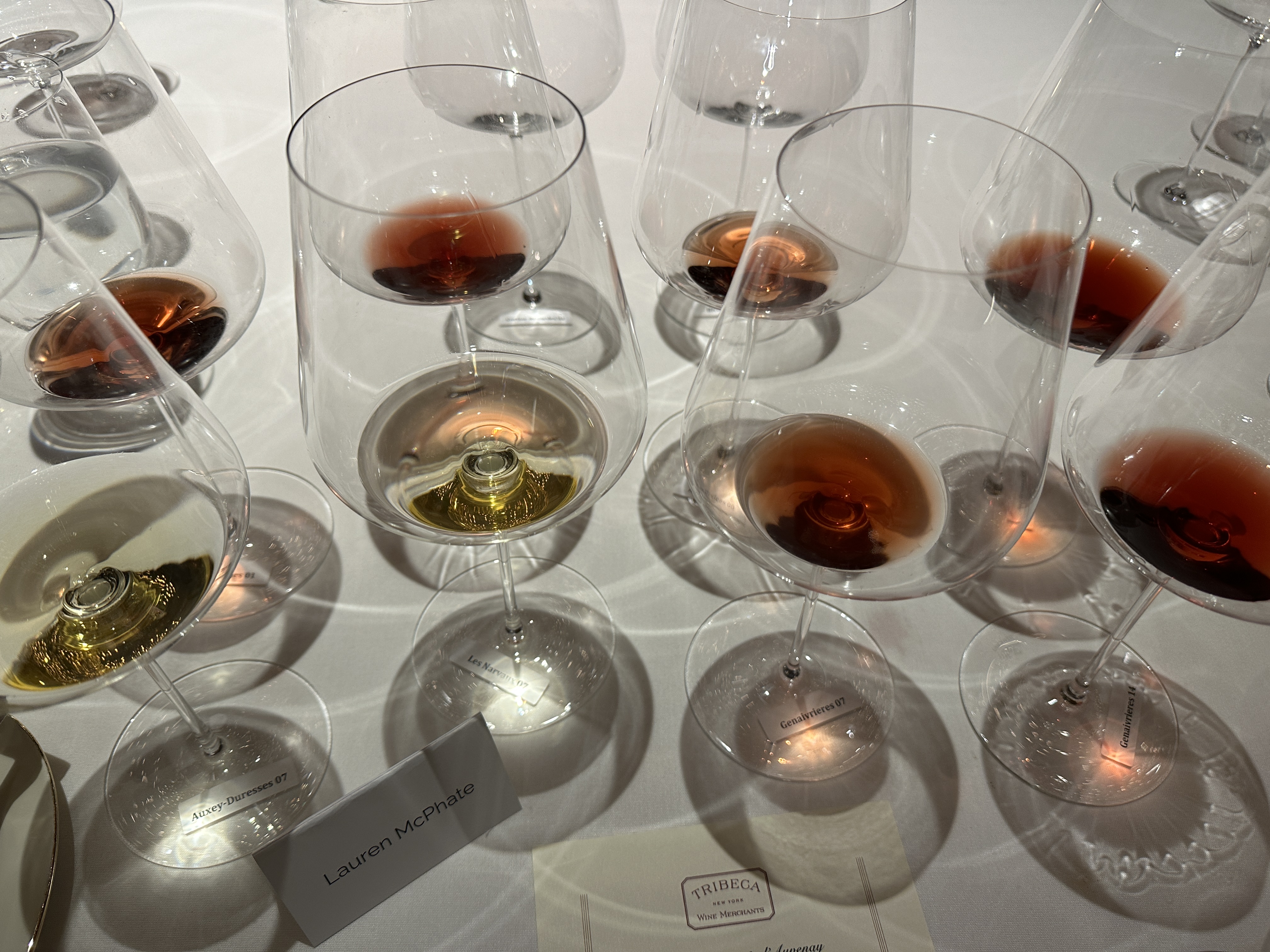
After you’ve spent time tasting blind and non-blind with your tasting groups, especially as you get really close to the exam, go back to open tasting by yourself. Pick a series of wines that could be easily confused for one another, or wines you often confuse yourself (looking at past mock exams is helpful). Flights include, aromatic whites, subtle whites, pale reds, Bordeaux blends, etc. Taste them openly and honestly against one another.
Then sit back and look at your analysis. Does it make sense with the theory of the grape/style/wine? Look at the tech sheets to see where some of the numbers could be coming from. Was it a cool vintage so the acidity showed higher than expected? Was the alcohol uncharacteristic? Going through this process will build confidence to write your answers based on your analysis of what you are actually tasting, NOT by deciding what you think the wine is and writing to that. We all do it, and it will also help you to avoid writing answers that feel like hedging. You won’t pass by hedging. You’ll pass with confidence and accurate tasting even if your conclusions are wrong.
For me it was helpful to put this into an Excel spreadsheet and look as the numbers next to one another. Why did the Pinot Blanc acidity show just as high as Riesling? Is that a miscalibration on my part, or were the TAs actually quite similar? I cannot overstate how helpful this process was. For me, it was the difference between Cs and passing.
A post mortem look at mock exams is also critical for success. Sometimes you will get wines right because you totally nailed it, but more than likely, you were correct on ID but left a lot of points on the table. Go back and grade your papers. Rewrite them better, for both the correct and incorrect answers.
If you were right, where could you have gotten more points? How could you write your answer more succinctly? Remember time is your biggest constraint. If you were wrong, how could you have gotten more points? Write the best wrong answer possible. Then, how would you write the wine correctly for max points?
FIVE – Be honest with yourself
You ask 100 MWs how they passed and you’ll get 101 different answers. There is no one way to pass this exam, so you really need to do a deep dive into your own personal strengths and weaknesses.
For me, I live in New York City and have incredible access to wine, to wine knowledgable people, and to a wide variety of masterclasses and tastings. Especially in my early days in the program, I made sure to go to every tasting I possibly could. I would take notes, I would transcribe notes, I would sit and ponder about how this wine showed versus how I expected it to show. Rinse repeat for 6 years, and you have a pretty big database of experience.
I was a borderline C student with years of experience in this program, so in my final year, I ditched a lot of blind tastings and really focused on open tasting and calibrating my own palate. This was counter to most advice people offered, but I knew I had my timing down (I always finished my papers), and I needed to work on gaining an extra 5-10 points per paper.
So, I set aside 1-2 hours per weekday for March-May and would give myself some grace on the weekends. Maybe I would meet one of my tasting exams for a mock, maybe I would read some old notes, or sometimes I would skip it all together and take the entire weekend off. But on weekdays, each morning I would go to the exact same coffee shop and sit in the same chair to study the theory of tasting through reviewing my outlines, perfect answers, and notes, and reading the WSET Diploma book which didn’t exist when I passed.
Then I would go into my retail store before it opened and would line up my laterals. I would have a single focus per day (Riesling, subtle whites, fortified, stickies, etc.), so I would line up my glasses in front of the bottles (Coravin is helpful here), taste, compare, and think about the results as mentioned above. This daily calibration made me ultra confident in my abilities. For mastery of anything, daily deliberate practice = success.

Other thoughts.
In addition to the ideas outlined above, there were also countless other activities I participated in over the years to level up. There are a ton of Masters of Wine who offer blind tasting boot camps. Like Course Days, they’re helpful, but only if you do the post mortem.
The most helpful of all of the feedback I got came from Jennifer Simonetti Bryan MW, who was a past examiner and offers online training. She shoots straight from the hip, giving brutal but essential feedback, AND practical advice on how to get better. I highly recommend her courses.
I also read or referenced a ton of books including, Wine Grapes, Oxford Companion to Wine, Nick Jackson’s Beyond Flavor: Wine Tasting for Structure (fun fact, our Monday night tasting group was where Nick formulated lots of the content for his book), Neel Burton’s Concise Guild to Blind Tasting, Jasper Morris’s Inside Burgundy, Neal Martin’s Pomerol, Peter Liem’s Champagne & Sherry, Post Modern Winemaking, etc.
When I was feeling unmotivated to sit and study, or like I needed some exercise but still wanted to study albeit a little more passively, I would listen to podcasts. GuildSomm and XChateau are great, and to get in the UK mindset, I would listen a lot to Jasper Morris MW wax on about Burgundy.
There are certain wines that, for one reason or another, you consistently miss. Early on it was Chablis for me, so I ordered a glass of Chablis every timeI had the opportunity until I stopped missing it (Chablis will almost certainly show up on the exam!!). Similarly, if I was at an airport, concert, bar, or any place that I would not generally drink wine, I would order the BTG. This is not the Master of Fine Wine, and this helped me understand the range of what’s in the market and what it costs.
After failing my second attempt, I was feeling frustrated, but not totally down and out. I made some small changes that helped me find the joy again. Big paper! For whatever reason, writing on poster board is pure joy. SO, I bought a big easel and big paper and that little thing made showing up each day to my office that much more fun. My boyfriend would also leave me blinds when he left for work in the morning. I would work through them and then we’d text all day about why he chose that flight, or how close I was or was not. Then we would revisit the wines with dinner. Wine tasting was all encompassing, but not overwhelming.
I work in retail, so when my distributors would come in to taste me on wine I would often have them pour the selection blind. This was generally not very helpful as the flights could be random, but it was fun and engaging nonetheless. Plus, some of my distributors (BIG shoutout to Vintus!!!) would set up extraordinary flights of blinds for me. This was super helpful and often they’d have the full gamut of a region (thank you also Guigal!).
After failing my third attempt, albeit as close as I could be without actually passing, I was wholly unmotivated. I was angry, frustrated, and truly lost the love. What I should have done was take a break. What I did do, was power through another year, and it’s a shame. The results were my worst yet, no surprise. After finally taking a break, a real break with no notes, no blind tasting (except for fun), I was able to come back with a renewed sense of excitement and urgency. I walked into seminars that year with nearly two years off but YEARS of experience behind me, and you know what, I was ready. I trusted myself and my capabilities, and it became clear to me the dedicated micro work that I needed to do for myself that would get me from a C to a B student.
All of this is a long winded way to say, it’s a journey. A time consuming, difficult, personal, and ultimately exceptionally rewarding journey. So stick with it, and get in touch if I can be of any help!
Cheers.
 fishgutswine